Jul 8 2025, 10:33
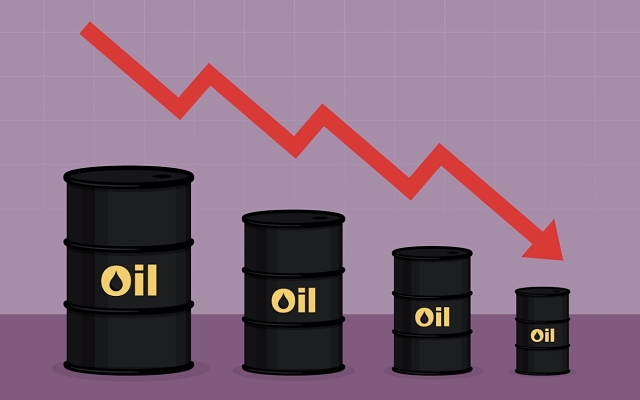
Oil prices fell in Asian trade on Tuesday as investors assessed the impact of President Donald Trump’s tariff hikes on major trading partners, while lingering concerns about a supply glut from rising OPEC+ output added further pressure.
At 9:40 p.m. ET (01:40 GMT), Brent crude futures expiring in September were down 0.7% at $69.11 a barrel, while West Texas Intermediate (WTI) crude futures were also down 0.7% at $67.46 a barrel.
Both contracts rose more than 1% on Monday despite expectations of increased supply, as traders assessed the overall state of the market, which appeared tight. U.S. President Donald Trump on Monday stepped up his global trade campaign by notifying 14 countries that significantly higher tariffs would take effect on Aug. 1. The list includes major U.S. suppliers such as Japan and South Korea, along with smaller exporters such as Serbia, Thailand and Tunisia.
The tariff letter outlined levies of 25% on all goods from Japan and South Korea, while some countries face tariffs of up to 40%.
Trump signed an executive order over the weekend extending the original July 9 deadline to Aug. 1, giving countries a final window to negotiate. But he said the deadline was “firm, but not 100% firm,” suggesting some flexibility for actively engaged trading partners.
The potential for steep U.S. tariffs on 14 countries, including major energy importers such as Japan, South Korea and India, could disrupt trade flows and hurt industrial production. OPEC+ production hikes in focus; market still looks tight
The Organization of the Petroleum Exporting Countries and its allies, a group known as OPEC+, announced Saturday that they would increase oil output by 548,000 barrels per day (bpd) in August.
The increase is larger than the 411,000 bpd increase that had been in place for May, June and July.
The group also warned that it would consider another 548kbpd increase in September at its next meeting on August 3.
The decision marked an extension of the voluntary cuts of 2.2 million barrels per day that major producers such as Saudi Arabia and Russia began earlier this year to support prices.
Oil prices fell sharply on Monday morning but recovered later in the day after Saudi Arabia raised the official selling price of its flagship Arab Light crude for August.
The price rise to a four-month high for Asian buyers was seen as a sign of confidence in oil demand by the world’s top exporter.
Source: Newsmaker.id